Williamson River Fly Fishing
The Williamson is a river of two tales, offering everything from technical walk-in wading to trophy-class boat drifts. Whether you are hunting for a 10-pound monster or a wild mountain Brookie, here is how the river breaks down:
The Lower Williamson: The Land of Giants
The lower section is where the Williamson River's reputation as a world-class trout fishery is made. This is big water for big fish.
-
The Catch: Expect hard-fighting Redbands averaging 3 to 6 pounds, with the very real thrill of hooking into a 10-pound trophy.
-
The Ecosystem: These fish thrive on a rich "buffet." We see massive hatches of Hexagenia, PMDs, BWOs, and Mahogany Duns.
-
Top Tactics: When the bugs aren't on the surface, these fish are aggressive predators. Reeling in a giant on a leech or baitfish imitation is the heart of the action here.
The Upper Williamson: Pristine Wild Trout Water
For those who prefer a more intimate, peaceful experience, the upper section offers stunning scenery and high catch rates.
-
The Catch: A beautiful mix of enthusiastic Brook Trout and slightly smaller, acrobatic Redband Rainbows.
-
The Experience: This area offers a classic walk-in fishing experience. While the water is smaller, the best access is often via boat to reach the most productive, untouched runs.
-
The Vibe: It’s quiet, wild, and represents the best of Southern Oregon’s backcountry beauty.
Exploring the Williamson River: Two Legendary Sections


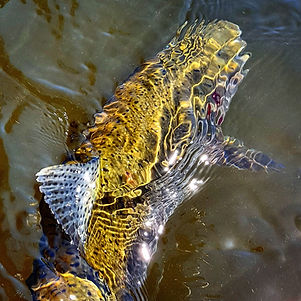


Williamson River Redband Trout
The redband trout found in the Williamson River is a remarkable and unique species of fish. It is distinguished by its striking red stripe that runs along its body and its ability to thrive in the cold and crystal-clear waters of the river. Anglers prize this trout for its challenging nature. Its ecological and cultural significance make it a highly species in the region.


